
Tech CoLab
Bridge the Gap.
Empower their Decisions.
Empower their Decisions.
Security decisions affect everyone in your organisation, but most of the people affected don't have the context to engage with them. We come in once, train your facilitators to run excellent cybersecurity sessions, and then your people own it. Each team gets a session that feels personal and relevant to them, run by someone who knows their context, with no ongoing dependency on us. The programme scales because your people run it, not because we do.
Every breach has a human element. A click. A password. A decision made by someone who didn't understand the risk. And most of those people aren't in IT: they're in finance, ops, HR, sales, leadership. People who sit through mandatory security training once a year and retain almost none of it, because nothing about it felt real.
Standard awareness training doesn't fix this. It's completed on a Friday and forgotten by Monday. What builds real security culture is experience: playing attacker and defender, making the calls that open a breach, and debriefing what just happened in a way that makes it land.
But there's something else that gets built in the room that nobody talks about. When your security team and the rest of the organisation go through a hands-on experience together, in a positive and approachable environment, something shifts. Relationships form. The security team stops being the people who say no and starts being people the rest of the org actually knows. So when the tough conversations come, and they always do, the room is collaborative instead of adversarial. There's a level of personal trust that makes the hard stuff easier to navigate. We train your facilitators to create exactly that environment, every time they run a session.
"I have customer service reps and accountants actually getting cybersecurity."
Security Champions Community Lead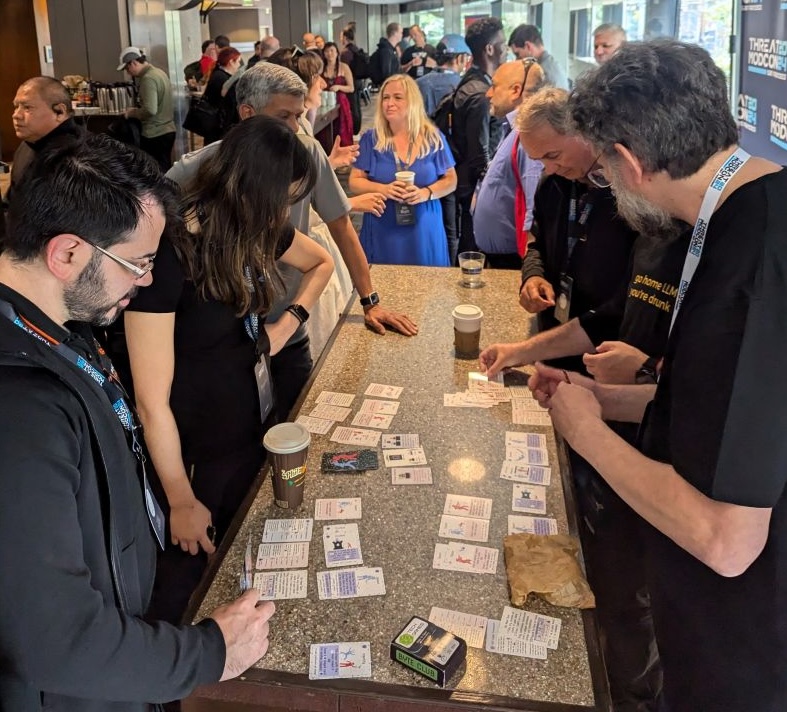
The security engineering team had tried the usual approach. A quarterly briefing. An incident review. A policy update sent by email. The software engineers and the business stakeholders would attend, take notes, and go back to their desks mostly unchanged. The security team was respected, but they weren't really known.
So they tried something different. During a lunch break, they ran a session of Byte Club. Not a training. Not a briefing. A game. Software engineers, product managers, finance, and ops all around the same table, playing attacker and defender, making decisions under pressure, seeing what it feels like when a phishing link looks just plausible enough to click.
The game created something that no briefing ever had: a shared experience. People who had never spoken about security were now debating it, laughing about it, asking questions they'd never dared ask in a formal setting. And when the debrief came, the room was already inside the problem.
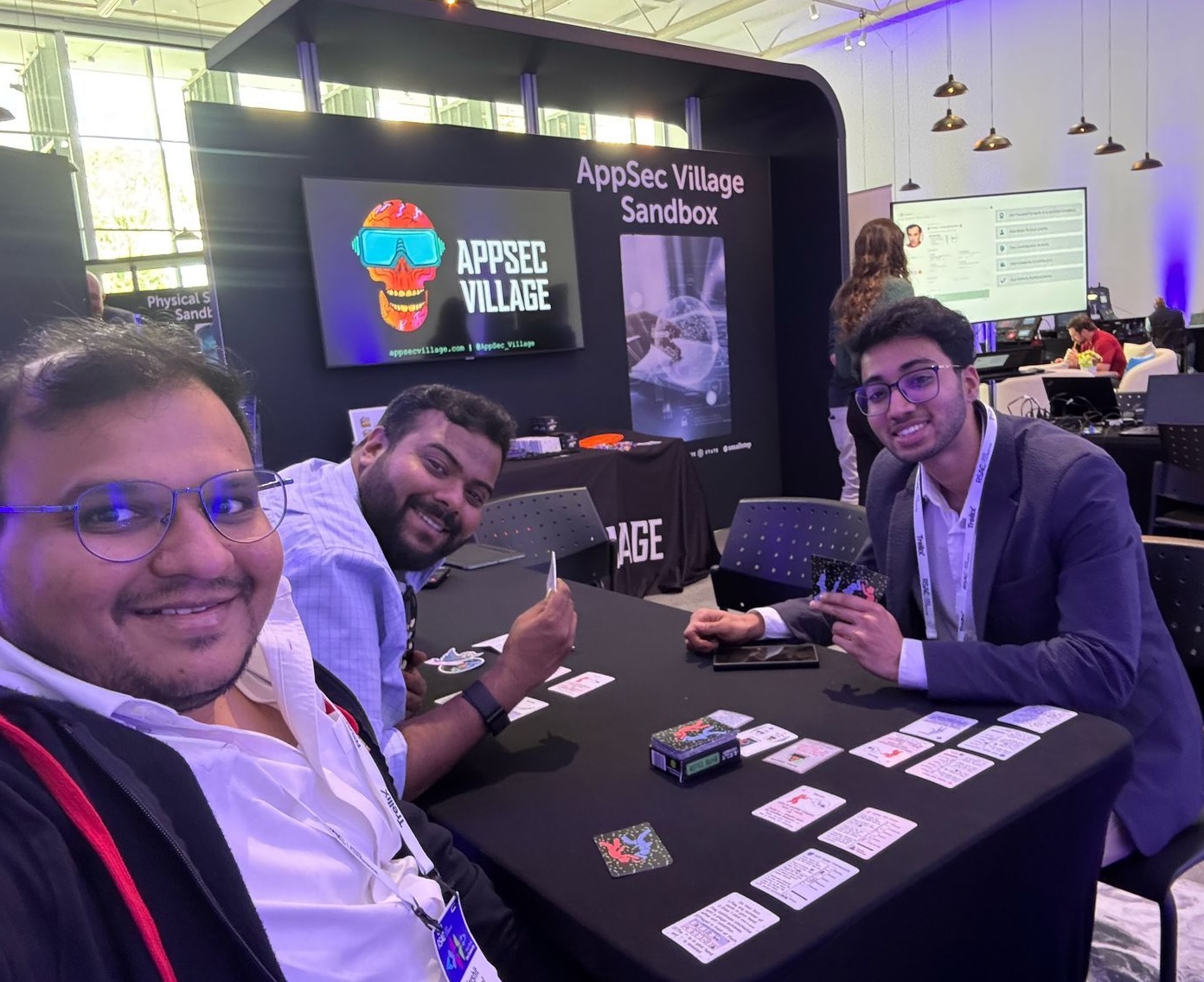
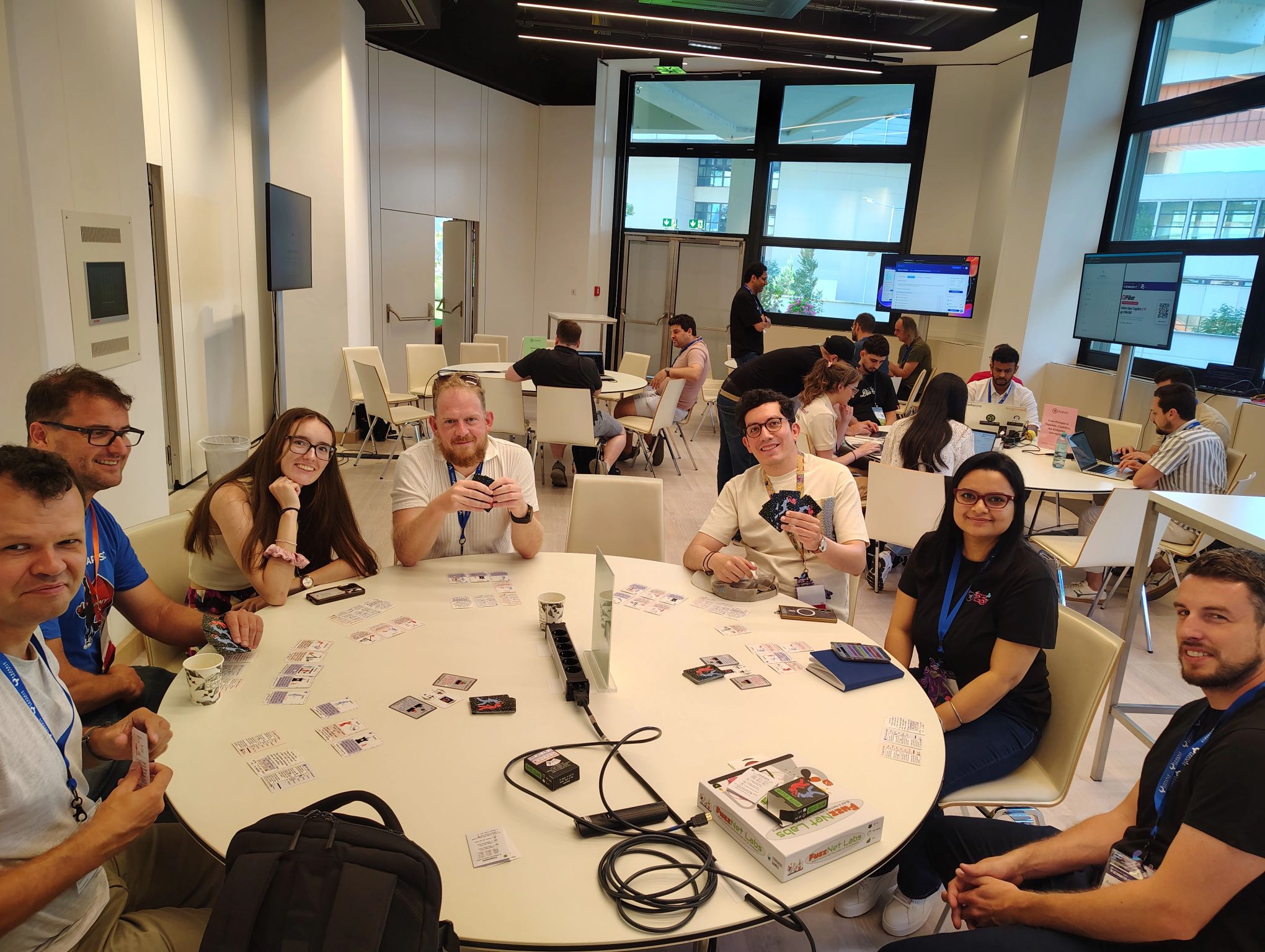
Something shifted in that room that afternoon, and it carried forward. The security team stopped being the people who sent the policy emails and started being people the rest of the organisation actually knew. So when the tough conversations came, and they always do, the room was collaborative instead of adversarial. There was a level of personal trust that made the hard stuff easier to navigate. We train your facilitators to create exactly that environment, every time they run a session.
Ready to bring real cybersecurity literacy to your organisation? Explore how we work, read the facilitation guide, or get in touch to shape a session around your team.